
197920pwpadmin
Displaced but Not Gone: Why Ukraine’s Scientific Diaspora Is Europe’s Most Underused Asset
Six million Ukrainians have left since the full-scale invasion began. Among them: thousands of researchers, professors, and scientists now working at European universities. Vienna’s Science Diplomacy Forum made a case that this is not a problem to be managed – it is an opportunity being missed. Displacement has not simply scattered Ukrainian scientists across Europe. It has, if organised, created a distributed infrastructure of institutional connections of unique strategic value.
When a country loses six million people to war-driven displacement, the instinct is to count the loss. What the 1st Ukrainian-European Science Diplomacy Forum proposed, with data and a continent-wide network to back it up, was a different kind of accounting: every Ukrainian scientist now working at a European institution is also a live connection between Ukrainian knowledge and European research infrastructure. The question is whether that connection is used.
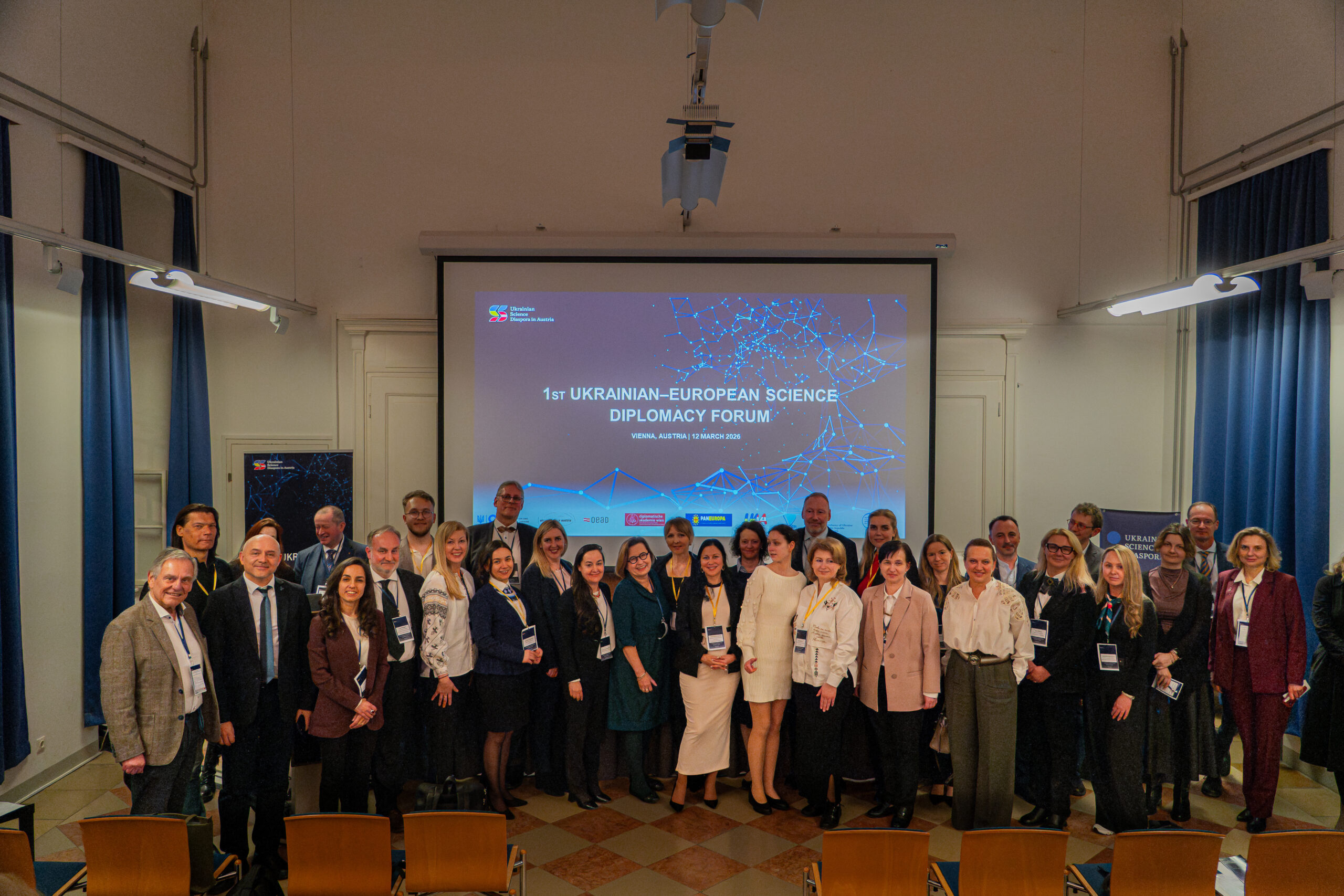
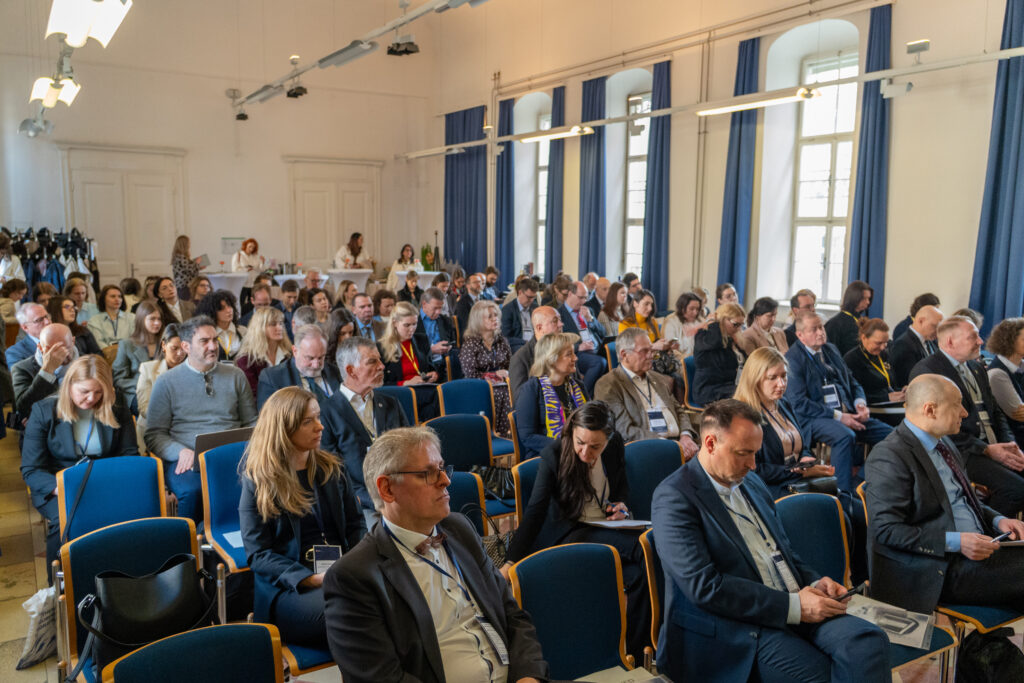
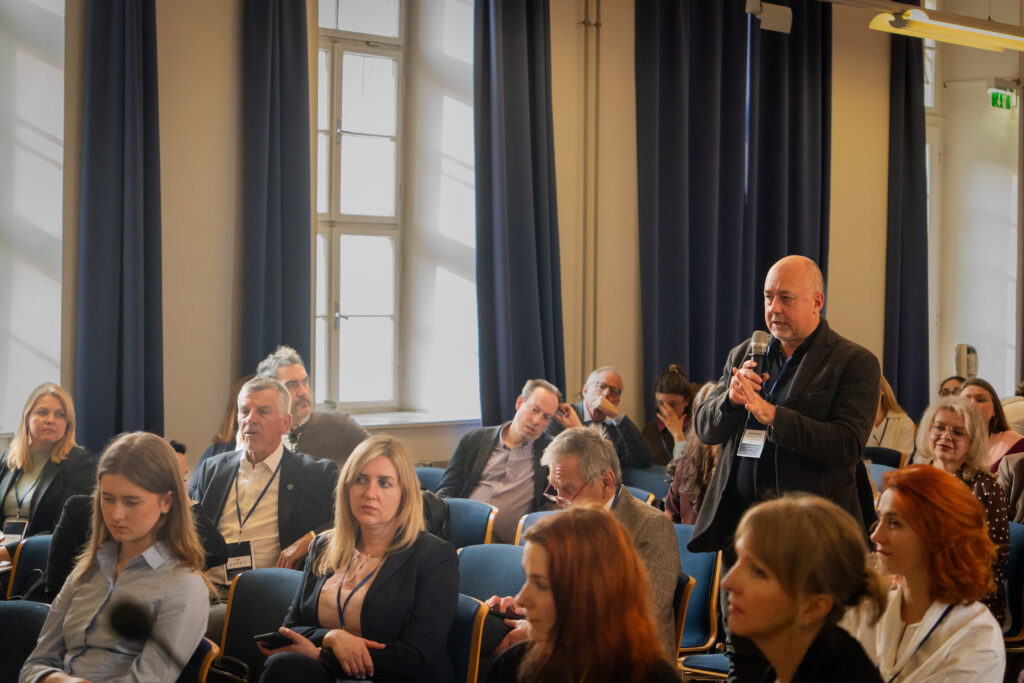
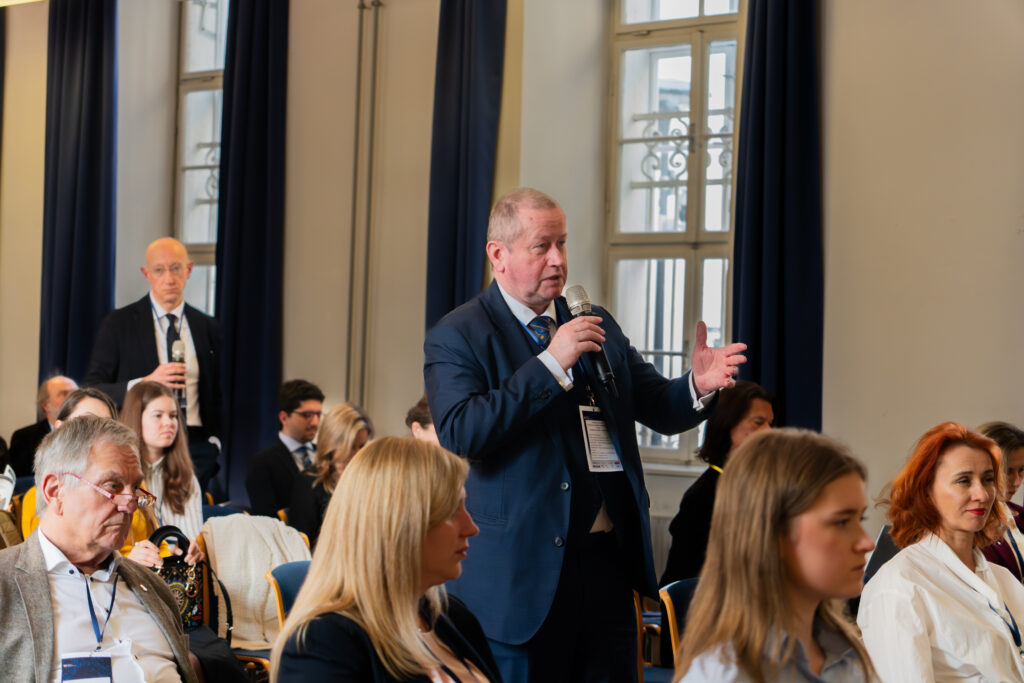
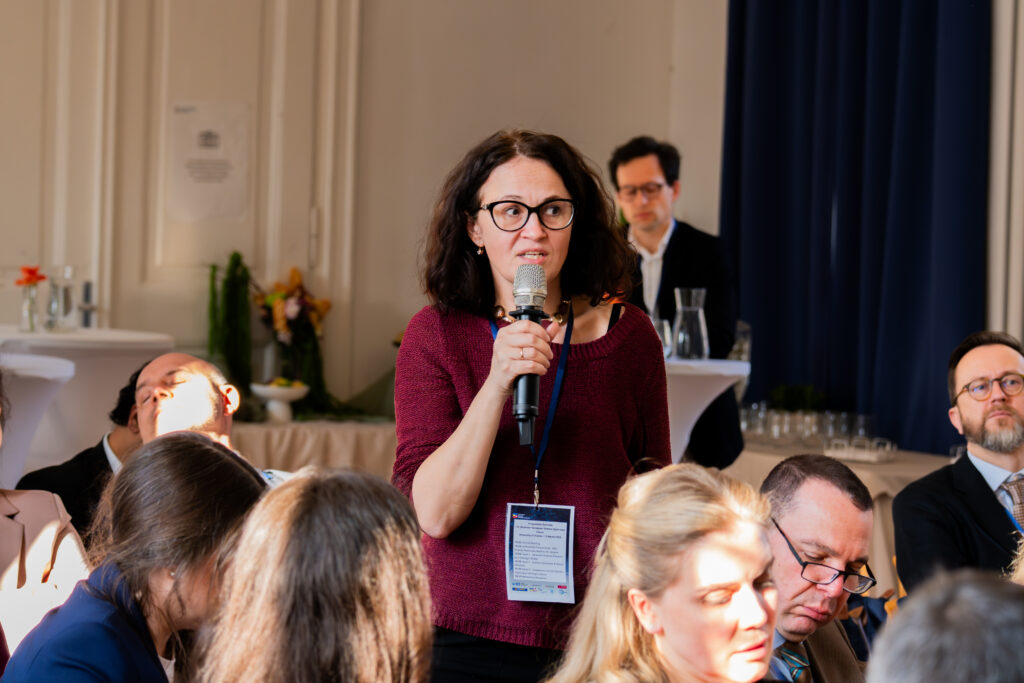
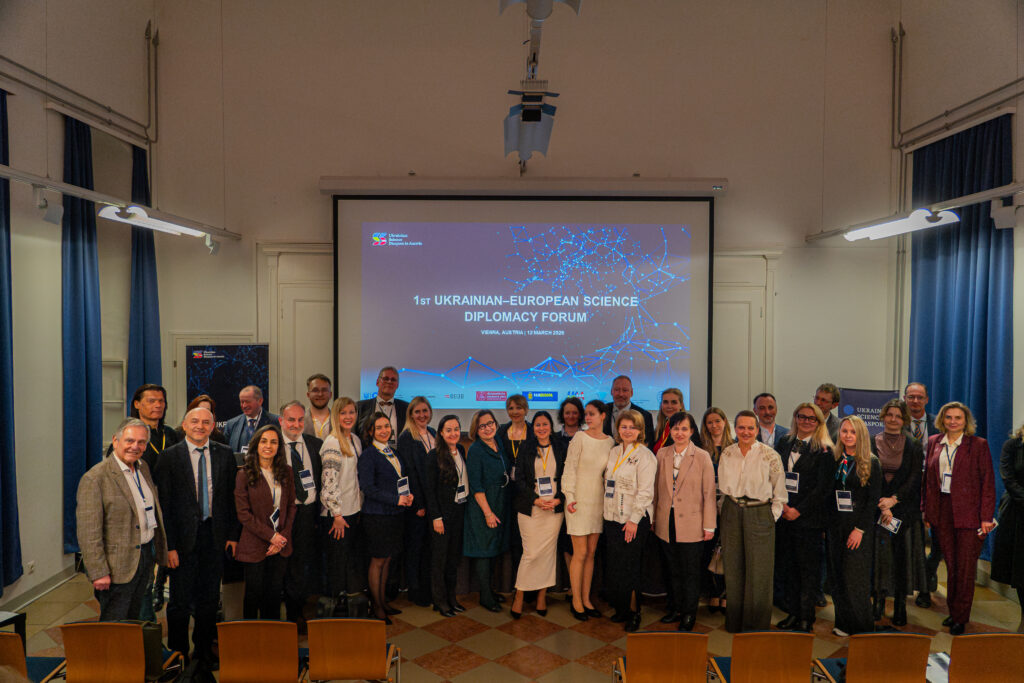
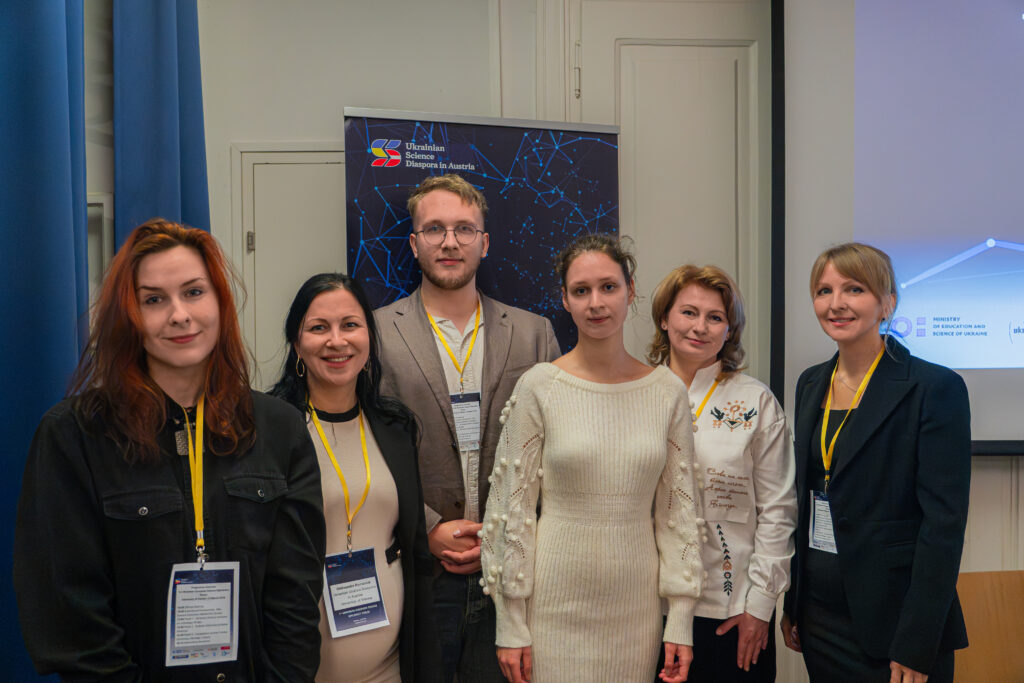
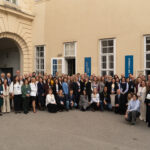
The answer, at present, is: not systematically. That is what the forum was designed to change. And the forum itself was the first proof of that argument. On 12 March 2026, the Aula am Campus at the University of Vienna was full. Over 100 participants from 12 countries and more than 60 academic institutions – scientists, senior representatives of the Ministries, EU officials, legal experts, diplomats and cultural scholars. A Deputy Minister participated via Zoom from Kyiv. The European Commission sent its science diplomacy lead. UNESCO was at the table. So were national research foundations, diaspora network presidents from five countries, and heritage scholars from KU Leuven to Lviv Polytechnic. That convergence did not happen by accident. It happened because the Ukrainian Science Diaspora in Austria built the network that made it possible – which is precisely the mechanism the forum spent the day arguing for.
The Argument From Evidence
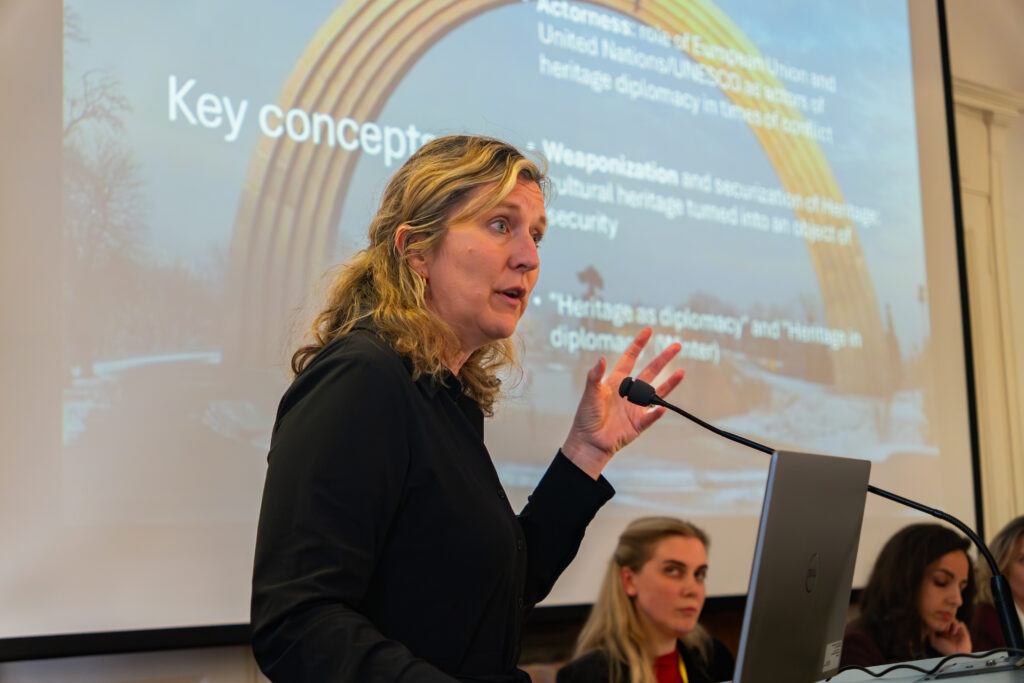
The diaspora panel – the first of the day’s three thematic sessions – opened with a keynote by Prof. Yevheniia Polishchuk, Co-founder of the Ukrainian Science Diaspora and a TWAS-certified science diplomacy expert. Her argument was structural rather than sentimental: forced displacement has involuntarily created a distributed network of institutional bridges between Ukraine and Europe. Bridges that exist whether or not anyone is using them deliberately. The forum’s purpose, in part, was to start using them deliberately.
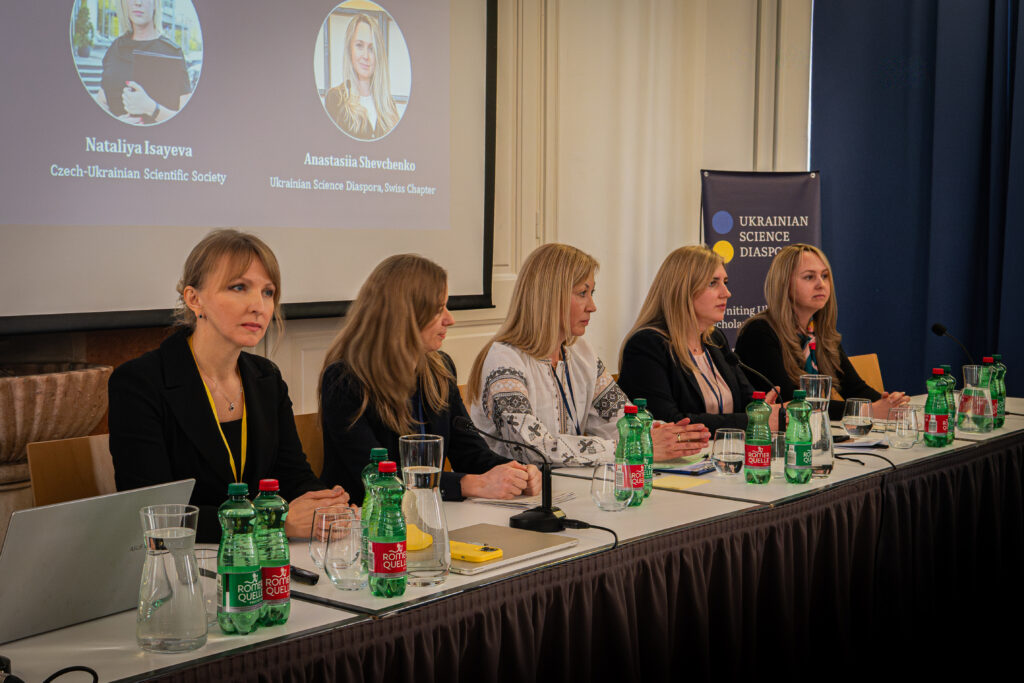
The panel, moderated by Prof. Igor Lyman, presented the current state of that network: USciDA in Austria (Dr. Oksana Illnar-Vusyk); the Ukrainian Science Diaspora in Spain (Dr. Galyna Ryabukha); the German-Ukrainian Association for Economics and Science and the German-Ukrainian Academic Society – a Berlin-registered non-profit founded in 2016 (Dr. Viktoriia von Rosen); the Czech-Ukrainian Scientific Society (Dr. Nataliya Isayeva); and the Swiss Chapter of the Ukrainian Science Diaspora (Dr. Anastasiia Shevchenko).
What “Strategic Asset” Actually Means
The phrase can easily sound abstract, but the forum grounded it with numerous examples of concrete initiatives in motion. UELCAP – the Ukraine-EU Legal Capacity Acceleration Programme – is training 80 professors from six Ukrainian universities in EU law, with ECTS accreditation and courses taking place in Lviv right now, complete with bomb shelters and backup power. By 2032, this is expected to produce roughly 16,000 legal professionals prepared for accession. Each one represents a fresh institutional link between the Ukrainian and European legal systems.
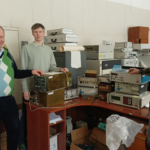
A parallel equipment transfer initiative is relocating certified scientific instruments from storage rooms in European laboratories – where they remain calibrated but unused – to Ukrainian research institutes that are still relying on hardware from the 1980s. The initial transfer, organised by Khrystyna Levchenko of the University of Vienna, was successful and is replicable.
The Harder Question: Culture and Identity
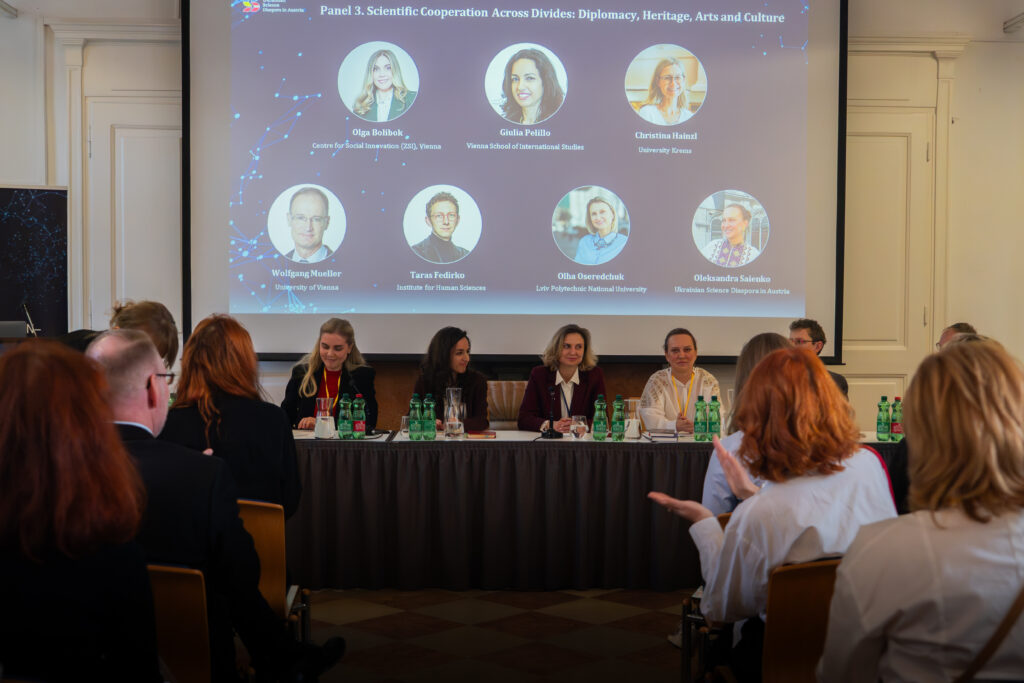
The forum’s third panel pushed into territory that goes beyond research policy. If Ukraine’s scientists are a bridge, Ukraine’s cultural heritage is the thing being protected – or failing that, documented before it disappears. Prof. Lien Verpoest and Dr. Daryna Zhyvohliadova of KU Leuven presented HERitage UKRaine, a research programme working at the frontline of that effort. The UNESCO Antenna in Kyiv, represented by Prof. Chiara Dezzi Bardeschi, placed the work within international humanitarian law.
The scholars who followed – from the Vienna School of International Studies, the University of Vienna’s Institute for Eastern European History, the Institute for Human Sciences, the University of Krems, the Global Coalition of Ukrainian Studies, and Lviv Polytechnic – addressed a question that the war has made urgent in a way that no academic framing can fully capture: how does a nation maintain its identity when the cultural mechanisms that carry it are being deliberately targeted? The answer matters not only for Ukraine but for how Europe responds to cultural destruction as a weapon of war.
What the Forum Leaves Behind
Two policy briefs, to be submitted to the European Commission within 30 days. A network of researchers who now know each other’s names. A set of running projects with open invitations to scale. And a framework – tested in Vienna, documented in the literature, now being tracked publicly – for treating scientific diaspora not as a humanitarian caseload but as infrastructure.
Whether European institutions take that framing seriously is the open question. The forum has made it harder to claim nobody made the case.
The 1st Ukrainian–European Science Diplomacy Forum was held on 12 March 2026 at the University of Vienna, organised by USciDA. Full programme and details: uscida.at/forum
Contact: office@uscida.at · oleksandra.romaniuk@univie.ac.at
Search
Recent Posts
- Displaced but Not Gone: Why Ukraine’s Scientific Diaspora Is Europe’s Most Underused Asset
- One Room, One Agenda: Vienna Hosts the First Ukrainian–European Science Diplomacy Forum
- Continuing to Strengthen the Ukrainian Academic Community: Resilience at the Institute of Magnetism
- Dr. Bedanna Bapuly
- Dr. Vasyl Khymynets